©

Museum of the Man in the Iron Mask and Fort Royal, Cannes Town Hall

|

Mairie de Cannes

The Musée du Masque de Fer et du Fort Royal can also be explored via a virtual tour

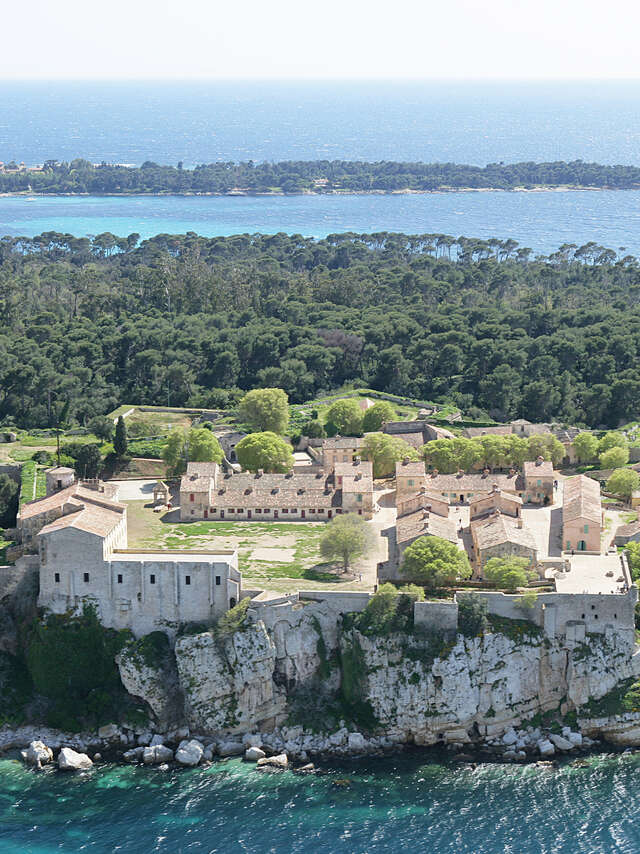
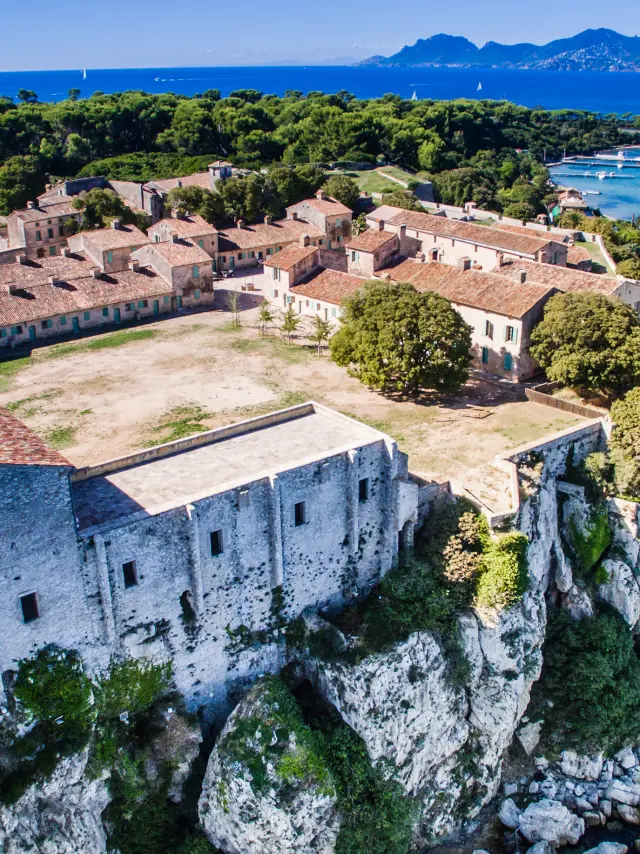
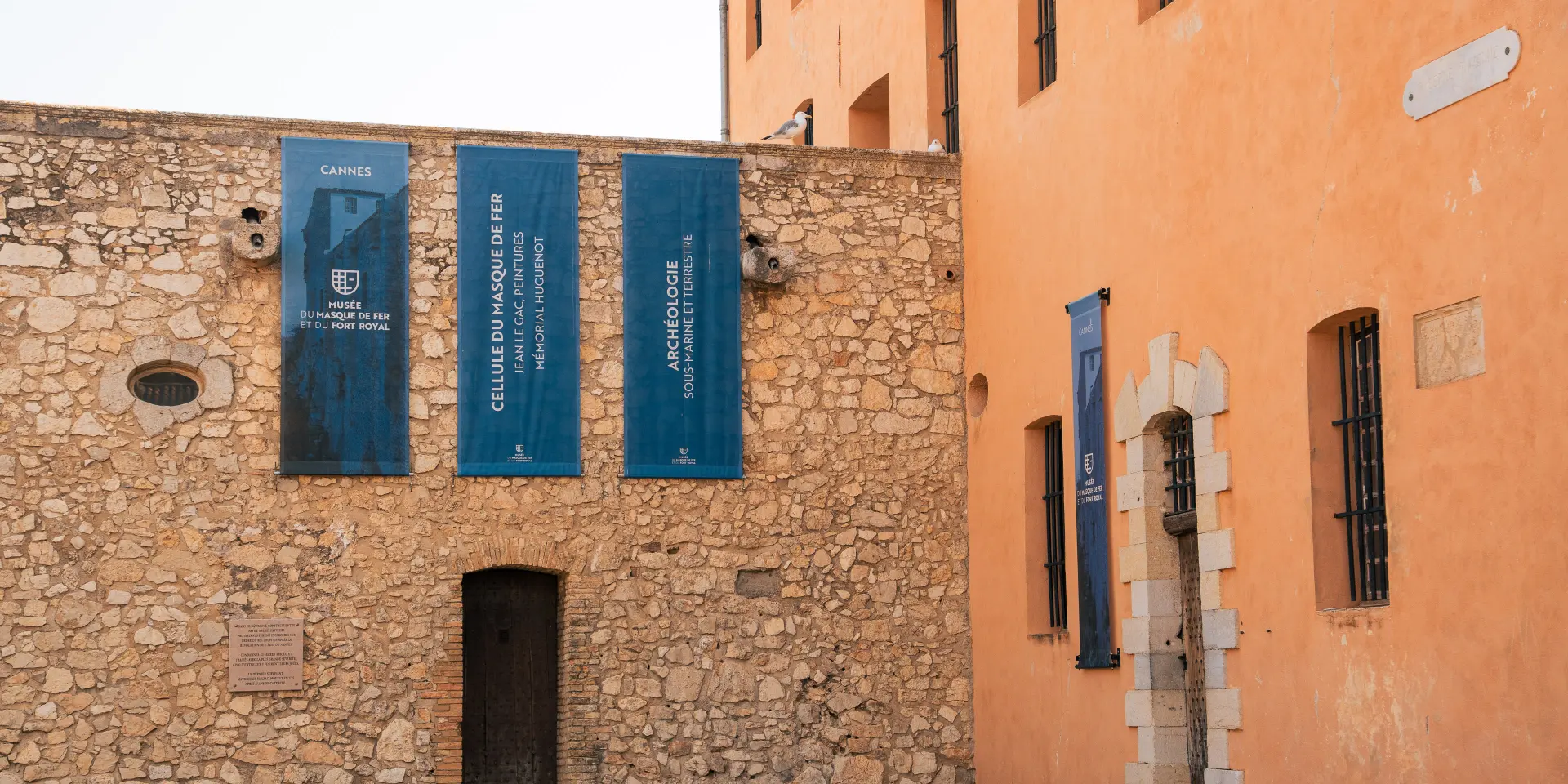
The Musée du Masque de fer et du Fort Royal, situated on Sainte-Marguerite Island, now offers a unique digital experience, allowing visitors to explore this historic site in a new way.

This immersive experience is free and accessible to all.

A unique digital experience

Free and open to everyone

Developed in partnership with the Regional Directorate for Cultural Affairs (DRAC), Orange and the RENDR agency, this innovative tool transforms the museum into an immersive space and offers a new way of learning about prison life across different eras.

This initiative forms part of the local authority’s programme to renovate and modernise Fort Royal, with the aim of ensuring the long-term preservation of this exceptional heritage site. It represents the first stage of this programme and foreshadows the museum’s future exhibition design.
“The Musée du Masque de Fer et du Fort Royal is an iconic feature of the Cannes landscape and of the history of the îles de Lérins. On theîle Sainte-Marguerite, this exceptional site – both natural and historic – which Cannes Town Hall is committed to preserving and promoting to the highest standards, plays a vital role in the city’s identity and reputation. This is the aim of the augmented reality tour we are offering today: to bring back to life what has disappeared, to explore the history of Fort Royal in a new way, and to share Cannes’ historical heritage. This initiative helps to make culture accessible to all, through an educational and immersive approach.”

©

David Lisnard Mayor Of Cannesmairie De Cannes

David Lisnard, Mayor of Cannes

Take a virtual tour of the stories and legends of Fort Royal

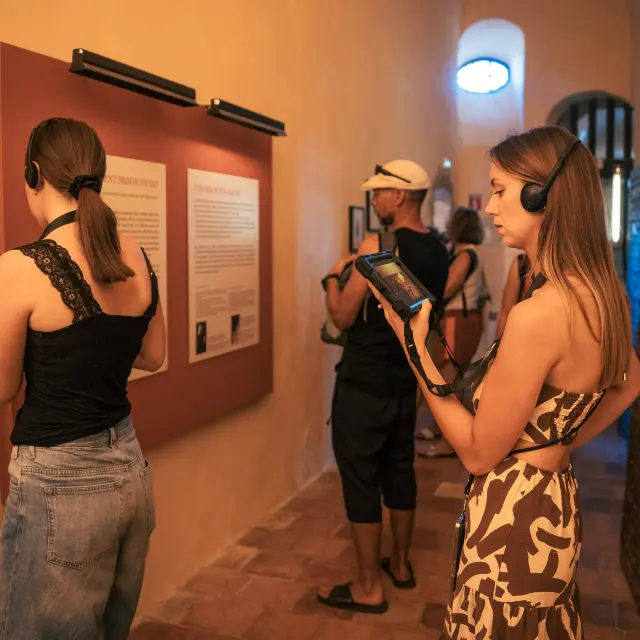
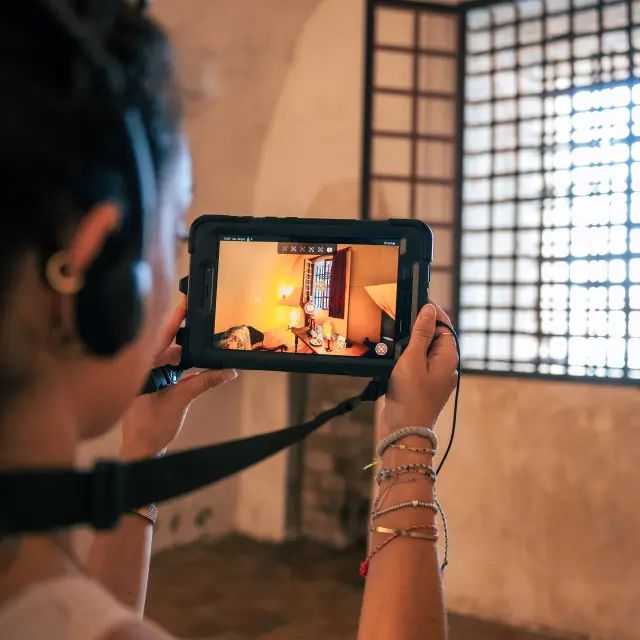
As part of its ambitious cultural policy, Cannes City Council is launching an augmented reality tour of the Musée du Masque de Fer and Fort Royal. Free of charge, multilingual (French, English, Italian, German, Spanish) and accessible to those aged 11 and over in self-guided mode, this initiative forms part of a wider process of modernising public facilities, based on the use of digital technology for the public good.

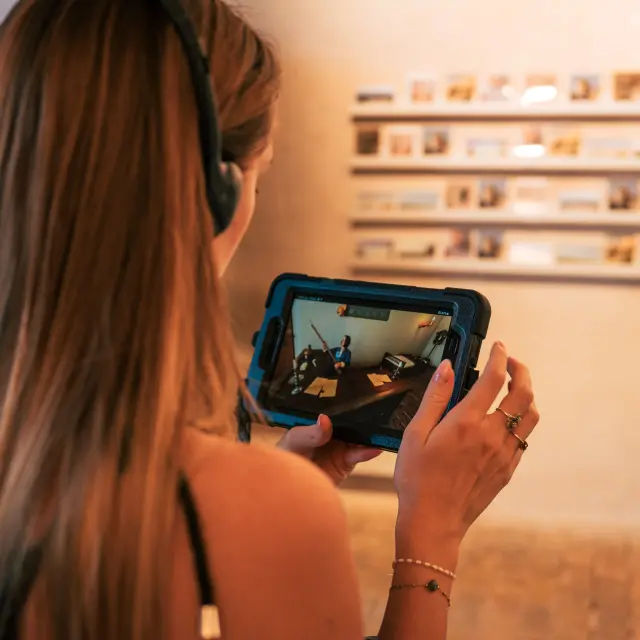
Using touchscreen tablets equipped with headphones, made available to the public, visitors can enjoy a virtual experience that allows them to discover Fort Royal from a completely new perspective. This innovative tool brings the site’s spaces to life as they were in different eras, revealing features that have since disappeared as well as figures who have left their mark on the site’s history: in the 17th century, during the imprisonment of the Man in the Iron Mask, in the 18th century with the naval architect Claude de Jouffroy d’Abbans and Andrew MacDonagh, an Irish officer, or in the 19th century with the captives of Abd el-Kader’s Smala.

Visitors move through a faithful 360° reconstruction of the site, bringing them as close as possible to the events and the people involved. This experience allows the various elements to be placed in their proper context and offers a more intimate insight into the history of Fort Royal.

The digital tour highlights two key features of the site. On the one hand, a unique prison architecture, designed in 1687 and remarkably well-preserved; and on the other, stories and legends linked to the prisoners, rooted in over two centuries of history and connected to France, Europe and the Mediterranean.

Three complementary courses

In the long term

Ultimately, the programme will be structured around three complementary tours:

    • the ‘Secret Mission: The Man in the Iron Mask’ trail, which features a 360° reconstruction of the Man in the Iron Mask’s prison in the year 1694 and plunges visitors into the heart of a plot, in the role of a special envoy of King Louis XIV;
    • the ‘Tales of a Prison’ trail, which will be launched during European Heritage Days on 19 September, featuring a distinct narrative and visual approach;
    • an interactive digital model of Fort Royal, based on a 3D model of the site, which will be unveiled on World Architecture Day on 5 October 2026 and will allow visitors to explore the site and discover its hidden treasures.